Adapted from an article by Cath Wallis, RAW Travel, originally published on rawtravel.com.
By Cath Wallis, RAW Travel
Some journeys are about landscapes, others about history – and sometimes, if you're lucky, they're about both. My daughter and I set out on Japan's Kumano Kodo pilgrimage trail, and it turned into a walk I'll never forget. We chose my favourite type of tour: a supported independent hike. The logistics were taken care of by RAW Travel – our luggage transported from guesthouse to guesthouse – while we were free to hike at our own pace, stop for photos, and linger wherever the trail called to us. Best of all, I was walking with my eldest daughter. Sharing this journey felt like more than just a hike; it was a chance to grow into a new, more adult relationship together.
Getting there: from Osaka to Kii-Tanabe
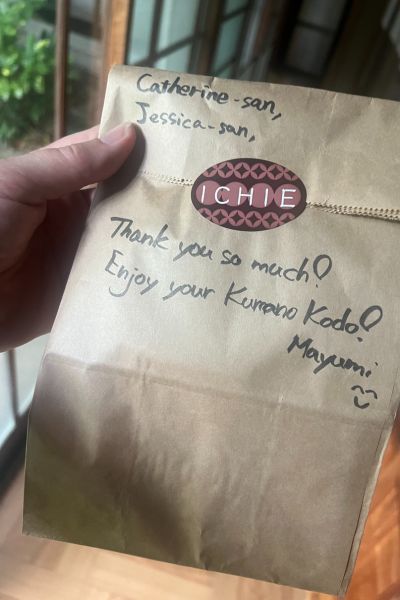
Our journey began with a train ride south from Osaka to Kii-Tanabe, where we collected our information packs from the friendly visitor centre. Just down the road we checked into Ichie Café, a small and welcoming guesthouse. Handwritten notes from our hosts greeted us with such warmth – it instantly set the tone for the days ahead. Dinner at Akihei in Tanabe was another highlight, with a beautifully prepared meal that nourished both body and spirit before our pilgrimage began.
Day 1: Takajiri to Takahara (and beyond)
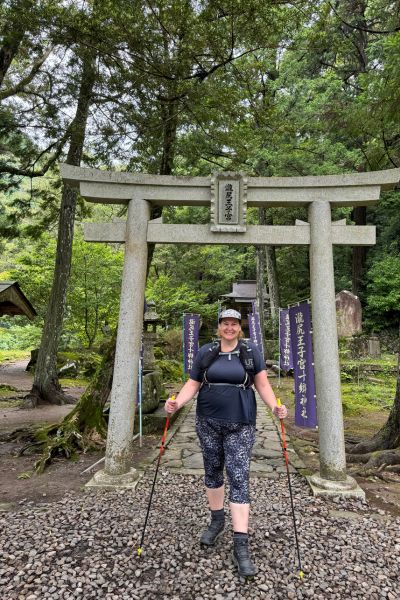
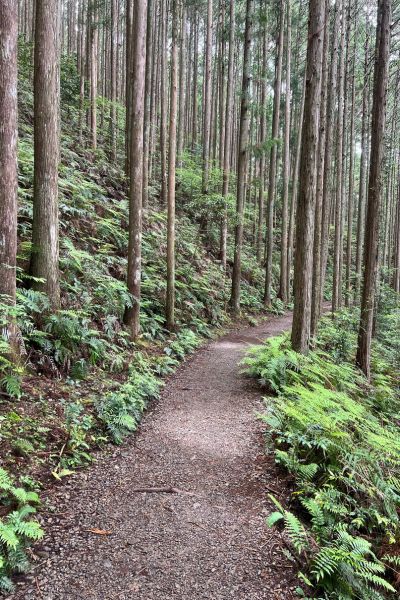
The Nakahechi Trail is the most popular section of the Kumano Kodo, and we began at Takajiri after stamping our pilgrimage booklets for the very first time. From there, the climb began – and didn't seem to stop! Our guidebook casually mentioned a "steep climb to Takahara," but in truth it was a 3km ascent that took me a crazy 2.5 hours. At one point I wondered if I'd make it to our guesthouse before dark. After a picnic lunch overlooking the most stunning rice paddies, and a refreshing cup of organic plum juice from a local vendor, the trail levelled out. The remaining 12km passed through mossy forests, waterfalls, shrines, and tiny villages. By late afternoon, we'd covered 15km with over 1000m of elevation gain – a tough but achievable day.
We stayed at a small family-run guesthouse, called a ryokan. The meal alone would have been enough to make it unforgettable – dish after dish of home-cooked Japanese food, prepared with such care and flavour that every bite felt like a celebration of the region, and washed down with the owner's favourite sake. But it was what came after dinner that turned the evening into magic. Our host quietly invited us to follow her down to the riverbank, to search for fireflies. At first they were hard to spot, but then – suddenly – one or two tiny sparks appeared, flickering against the darkness. Fragile and fleeting, those little lights felt like a blessing on our journey.
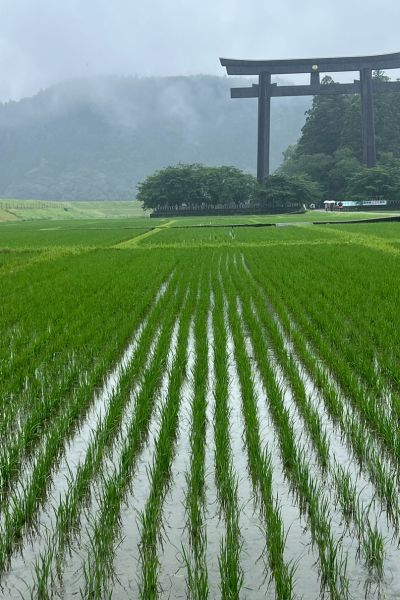
Days on the trail
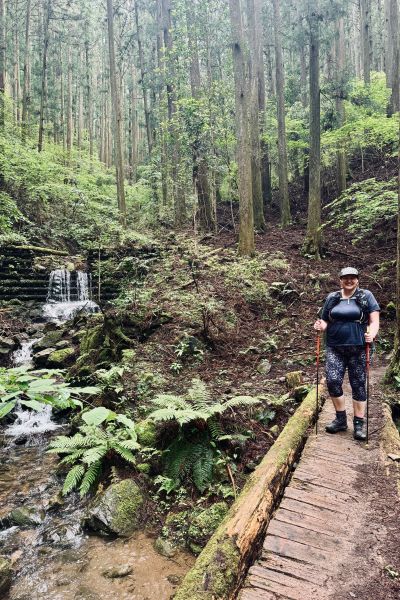
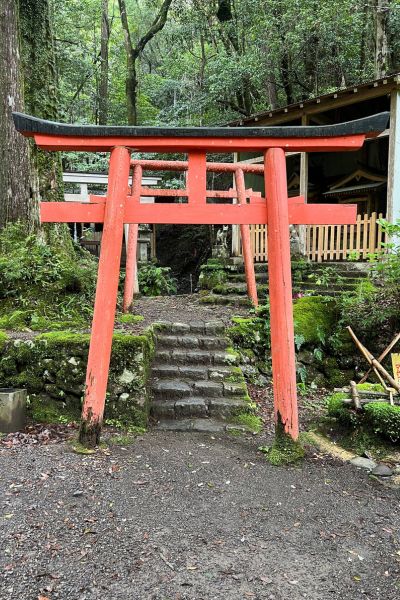
Each day brought something new: ancient stone paths worn smooth by centuries of pilgrims, towering cedar forests, tiny oji shrines where we stamped our booklets, and the warm hospitality of the villages along the way. We soaked tired legs in steaming onsens, slept on futons in tatami rooms, and woke to elaborate Japanese breakfasts that fuelled the day ahead.
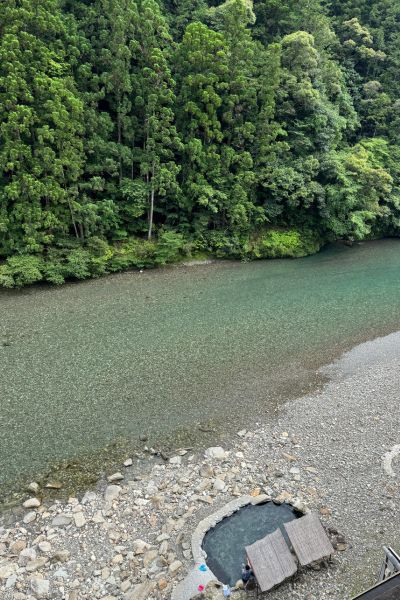
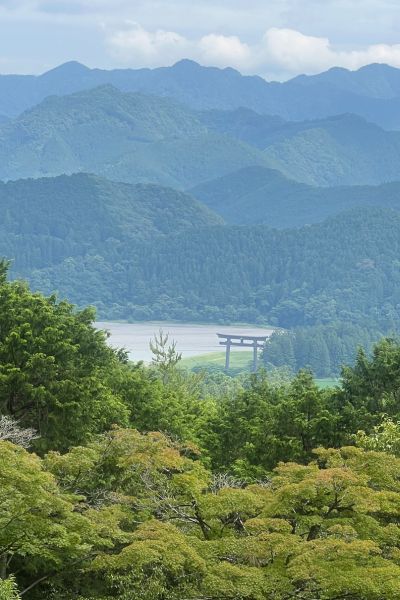
One of the most memorable moments was reaching the grand shrine of Kumano Hongu Taisha and the giant torii gate at Oyunohara – the largest torii gate in the world. Standing beneath it, you feel the weight of 1200 years of pilgrimage.
Nachi Falls and the end of the pilgrimage
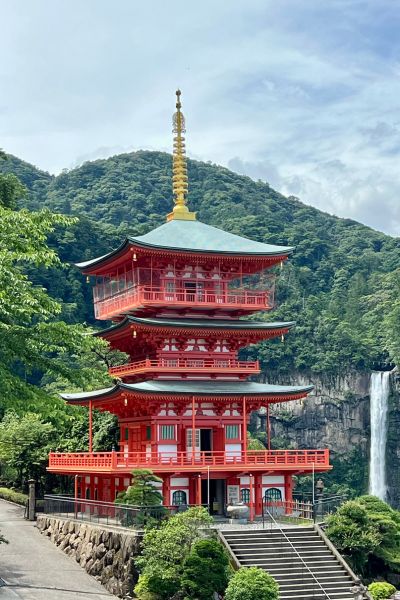
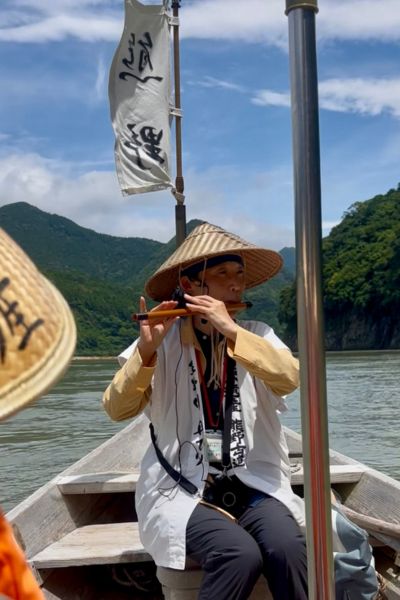
Our walk finished at Nachi, where the three-storey pagoda of Seiganto-ji temple frames Japan's tallest waterfall – the iconic image of the Kumano Kodo. After days of forest and mountain passes, standing before that view felt like the perfect ending. We took the traditional boat ride down the Kumano River, just as pilgrims have done for centuries.
Would I do it again?
In a heartbeat. The Kumano Kodo gave my daughter and me something rare: uninterrupted time together, moving through a landscape that feels sacred, welcomed at every stop by people who genuinely care. If you're thinking about walking it, my advice is simple – go. And go with your eyes and heart open.