
Adapted from an article by RAW Travel Team, originally published on rawtravel.com.
Ryokans offer one of the best ways to experience the culture and traditions of real Japan. The older, more traditional accommodations are family-run Japanese inns, tied intrinsically to the culture's deep respect for omotenashi (hospitality). They typically have around five rooms for guests, and many have a long line of family history.
There are also larger, newer and more modern ryokans, usually still family owned and operated. Once inside, they typically feature tatami mat flooring, shoji sliding doors, futon beds and multi-course kaiseki meals. Yukata robes are provided for your stay. On our Kumano Kodo walks you will have the wonderful experience of staying in ryokans – here's everything you need to know.
Origins
The first ryokan, Nishiyama Onsen Keiunkan (in the Alps between Nagano and Shizuoka), was founded in 705 AD and is considered the oldest hotel in the world. Ryokans flourished during the Edo period (1603–1868) as trade increased between Edo (now Tokyo) and Kyoto. Today there are more than 50,000 ryokans in Japan.
Architecture
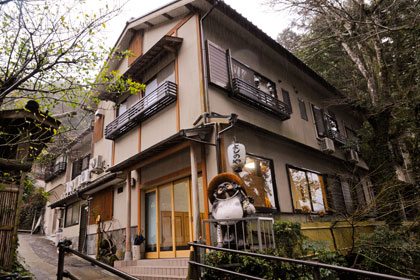
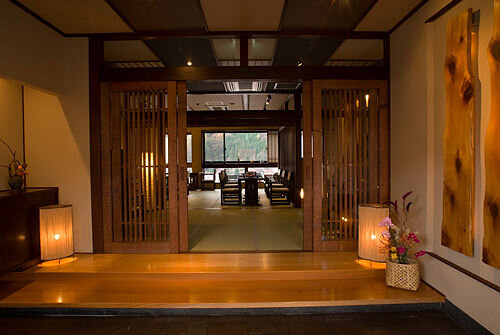
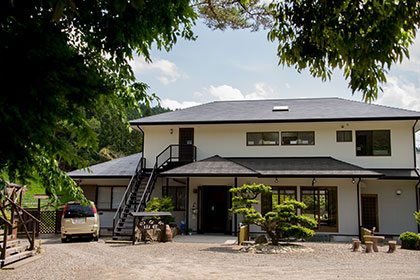
Ryokans come in many sizes and styles. Built using natural materials like wood, bamboo and tatami mats, they often blend into their surroundings. Interiors tend to be minimalist and many have a Zen garden, promoting a sense of tranquillity. Older ryokans may have narrow staircases, so limiting the size and weight of your luggage is advisable – you may need to carry your own bag to your room.
Tatami mat rooms
A defining feature of ryokans is the traditional tatami mat room, adorned with woven straw mats and minimalist décor. There is usually a low table, and a tokonoma alcove displaying a scroll or flower arrangement. Shoes are removed at the entrance – slippers are provided, but even these come off before you step onto the tatami.
Futon bedding
There are no Western-style beds. While you enjoy dinner, the staff discreetly enter your room and lay out futon mattresses on the tatami, complete with crisp sheets, warm duvets and pillows. In the morning the futons are packed away again and the room becomes a living space once more. Most guests find they sleep beautifully.
Kaiseki dining
Dinner at a ryokan is an event in itself: a multi-course kaiseki meal of small, beautifully presented dishes showcasing seasonal and local ingredients – sashimi, grilled fish, mountain vegetables, tofu, pickles, rice, soup and more. Breakfast is equally elaborate. Read more on our food and drink page.
Yukata and onsen bathing
You'll be provided with a yukata (a casual cotton kimono) to wear around the ryokan – to dinner, to the bath, even to sleep in. Many ryokans have their own onsen or communal bath. Bathing is done naked (baths are usually separated by gender), and you must wash thoroughly at the shower stations before entering the bath. The bath is for soaking and relaxing, not washing.
Etiquette tips
- Remove your shoes at the genkan (entrance) and use the slippers provided.
- Never wear slippers on tatami – socks or bare feet only.
- Wash before entering the onsen, and never put your towel in the bath water.
- Arrive for meals at the agreed time – each course is prepared fresh for you.
- Embrace the quiet: ryokans are places of rest and calm.
Staying in a ryokan is one of the great joys of walking the Kumano Kodo. After a long day on the trail, there is nothing quite like a hot bath, a feast of local food and a soft futon in a silent mountain village.